 Iker Aguirre
10 Ways Breathing Boosts Your Health, Energy, and Well-Being
Here are ten ways better breathing can improve your health, your energy, and how you feel. And the list doesn't stop at ten.
The way you breathe affects your energy, your immune system, and your sleep. It also shapes your stress levels, your thinking, and your heart health.
Paying attention to this basic function can do a lot for your health, your mood, and your well-being. So how do you learn to breathe well again? And how do you get the most out of it?
In this article, you'll find the main benefits of breathing well, plus a few exercises to boost your health, energy, and well-being.
Want to go deeper? Listen to episode 47 of our podcast Une Alchimie de l'Éveil (in French), “Breathing to Boost Your Health, Energy, and Well-Being.”
“Breathing is the first act of life, and the last. Above all, learn how to breathe correctly.” Joseph Pilates
First, How Breathing Affects Your Health, Energy, and Well-Being
When you breathe in, you take in air that contains oxygen (O2). Your lungs absorb it. Then your blood vessels carry it to the cells and tissues throughout your body.
Your blood vessels are where the exchange happens. Oxygen-rich blood goes out, and oxygen-poor blood comes back. Your body needs that oxygen to produce energy and keep your metabolism running.
When you breathe out, you release carbon dioxide (CO2). Your body makes it as a byproduct of turning food into energy. If CO2 isn't cleared out, it can build up and cause a range of health problems.
Breathing also helps regulate your body's pH. Your pH has to stay within a very narrow range for your cells and organs to work properly.
In short, breathing keeps you alive. Without oxygen, your cells can't function. That can lead to serious illness, or even death. That's why steady, efficient breathing matters so much.

So what does deep, controlled breathing actually do for your health, your energy, and your well-being?
1. Breathing Lowers Stress
Learning to breathe well again can help you manage stress. Slow, deep breathing is one of the most widely used relaxation and stress-management techniques.
When you're stressed, your heart rate goes up. Your breathing speeds up too. That can raise your blood pressure and your anxiety.
Breathing exercises help your body and mind relax. The first effect is a slower heart rate. Focus on your breath. Let your thoughts drift away.
Better breathing also gets more oxygen into your body. That eases muscle tension and helps you feel better. Practice regularly, and you'll find it easier to unwind every day and bring chronic stress down.
Here's a simple tool that's free and works for anyone: coherent breathing, also called heart coherence. Make it part of your daily routine, and it supports both your physical and mental health. The key is consistency.
2. Breathing Lowers Blood Pressure
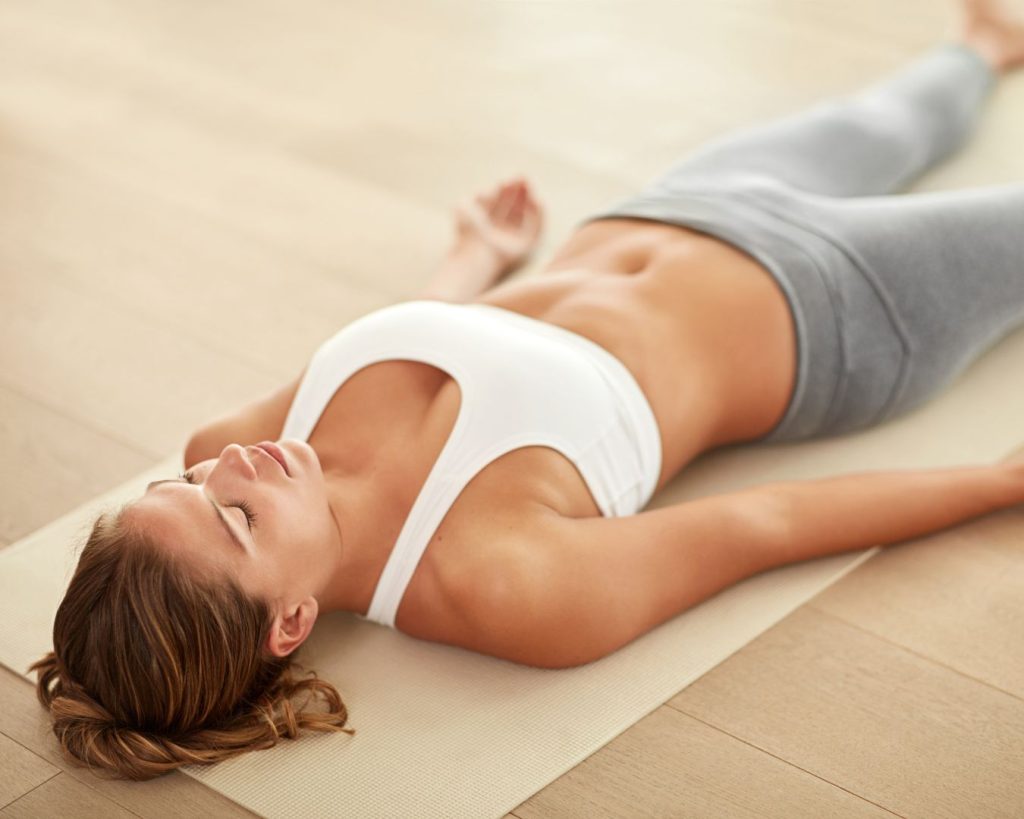
Slow, deep breathing can improve your circulation. It delivers more oxygen to your cells. That can boost your energy and your stamina.
Deep, controlled breathing can also lower your blood pressure, especially when you practice it regularly. When you breathe deeply, your body signals your brain to slow your heart rate and relax your muscles. Your blood pressure drops as a result.
Deep breathing also improves circulation and reduces stress. Both play a role in high blood pressure.
Several studies have shown that regular deep breathing can help lower blood pressure in people with hypertension. The usual recommendation is at least 10 minutes a day to see the benefits.

Important: if you have high blood pressure, talk to your doctor before you start any breathing or relaxation practice.
3. Breathing Reduces Inflammation
Good breathing habits can increase the oxygen supply to your tissues. That can support healing and reduce inflammation.
As you just saw, breathing well lowers stress. That matters for chronic inflammation. Stress triggers the release of cortisol. Your adrenal glands produce this hormone when your pituitary gland stimulates them with adrenocorticotropic hormone (ACTH).
- If you've been under chronic stress for several months:
Your cortisol levels may stay high. But over time, cortisol loses its anti-inflammatory effect. Once that effect wears off, inflammation sets in.
- If your stress and emotional pain are bottled up, and you struggle to express your emotions:
Your cortisol levels stay low, so inflammation develops. When emotions don't come out, your body pays the price.
Either way, stress drives inflammation. And inflammation is linked to sleep problems, musculoskeletal disorders, depression, heart disease, chronic digestive conditions, skin problems, metabolic syndrome, diabetes, and more.

Several studies have shown that regular deep breathing can help reduce inflammation in the body. For example, a study published in the Journal of Alternative and Complementary Medicine found that 20 minutes of deep breathing a day for 12 weeks lowered levels of C-reactive protein (CRP), a marker of inflammation, in participants with cardiovascular disease.
Important: deep breathing should never be your only treatment for inflammation. If you have chronic or acute inflammation, talk to your doctor about the right treatment options.
4. Breathing and Meditation Strengthen Your Immune System
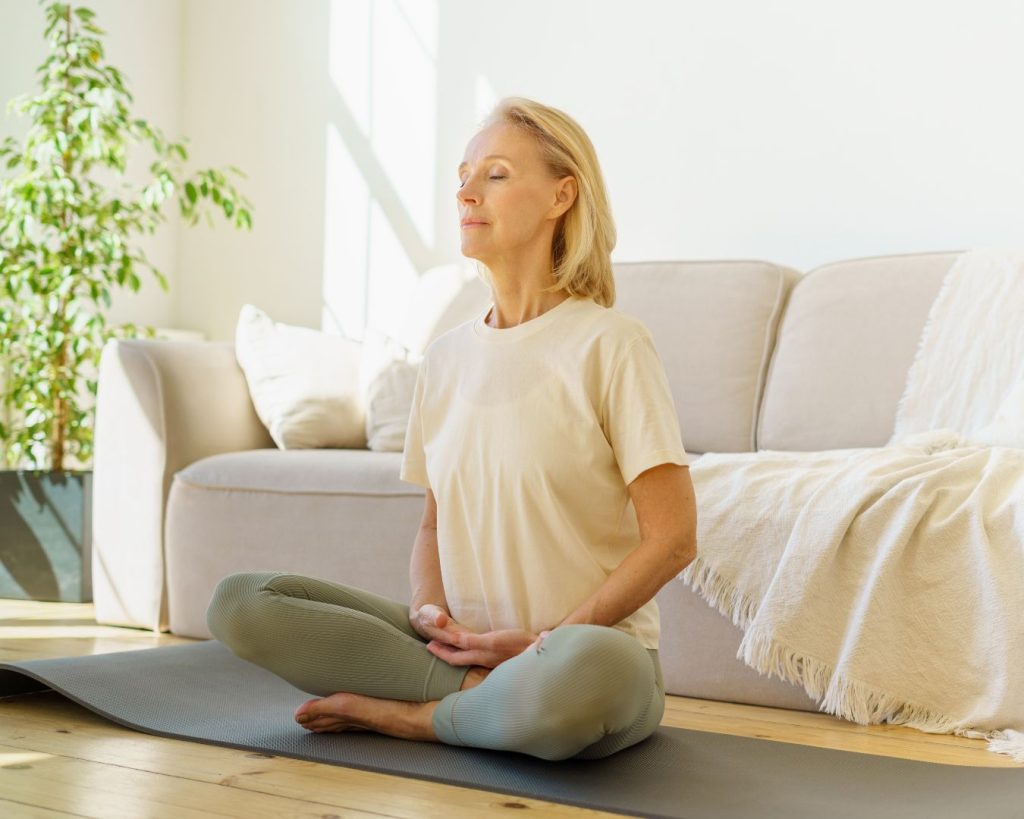
Deep, controlled breathing can help strengthen your immune system. When you focus on your breath through specific exercises, you take in more oxygen and improve your circulation.
Your cells get more oxygen. That makes them much better at fighting infection and disease.
Once again, good breathing habits lower your stress. And stress weakens your immune system. Cortisol from chronic stress can dampen your immune response and raise your risk of illness and infection.
Several studies have shown that regular deep breathing can help strengthen the immune system. For example, a study published in Psychosomatic Medicine found that eight weeks of meditation and deep breathing significantly increased antibody levels in participants.
Important: deep breathing should never be your only treatment for illness. If you're sick or have an infection, talk to your doctor about the right treatment options.
5. Breathing Improves Your Sleep
Breathing exercises relax your muscles and your mind. They also increase oxygen flow to your brain.
When you focus only on your breath, your breathing settles into a steady rhythm. It slows down. Falling asleep gets easier. You find the calm you need to drift off, and you sleep better.
Several studies have shown that regular deep breathing improves sleep quality. For example, a study published in the Journal of Sleep Medicine and Disorders found that 20 minutes of breathing practice every evening for eight weeks improved sleep quality in participants with insomnia.

Important: deep breathing should never be your only treatment for sleep disorders. If you have insomnia or another sleep problem, talk to your doctor about the right treatment options.
6. Breathing Aids Digestion
Do you get stomach pain after meals? Do you often feel bloated? Breathing from your belly can help you digest better.
Your diaphragm moves up and down as you breathe. That motion gives your digestive tract a kind of natural massage. It stimulates your intestines and colon and helps them do their job.
Make sure you're not breathing “backward.” This is belly breathing: your belly rises when you breathe in and falls when you breathe out.

Note: if digestion is still painful or difficult, get your body moving.
- Take a 10-minute walk. A post-meal stroll isn't just for Sunday afternoons.
- If that doesn't help, try massaging your abdomen. Use small circular motions, starting low on your belly and always moving in the same direction.
- And if the problem persists, see your doctor to find the best way to address your digestive issues.
7. Breathing Improves Athletic Performance
Good breathing habits can improve your physical performance and reduce muscle fatigue.
When you breathe correctly, your body gets enough oxygen to fuel your muscles. Steady breathing also helps clear carbon dioxide (CO2) from your muscles. When CO2 builds up, it can cause fatigue and soreness.
As you've seen throughout this article, breathing lowers stress and anxiety. That alone can make a big difference in how you perform. Controlled breathing calms your mind and helps you focus on the task or challenge in front of you.
That's why athletes need to understand how breathing works. They need to train themselves to breathe correctly before, during, and after workouts and competitions. It can improve their endurance, their strength, and their overall performance.
“The perfect man breathes as if he is not breathing.” Lao Tzu

8. Breathing Helps You Adjust to High Altitude
At high altitude, breathing gets harder. Air pressure drops, so there's less oxygen available to your body. Every breath takes more effort. You may get headaches, nausea, and fatigue.
Learning to breathe well helps your body adjust to altitude more easily. For example, you can raise your oxygen levels by taking in more air with each breath. Slow, steady breathing also reduces the strain on your body. That can help prevent altitude sickness.
Controlled breathing may also boost your production of red blood cells. Red blood cells carry oxygen to your muscles. That's key for endurance and athletic performance at altitude.

To sum up: breathing well helps you adapt to altitude. It raises the oxygen in your body, reduces physical strain, and supports red blood cell production. So practice a few breathing exercises before you head to high elevations.
9. Breathing Soothes Skin Conditions
Breathing is at the heart of many relaxation methods. It can benefit your skin, too.
- If you have eczema or psoriasis flare-ups:
Breathing and positive visualization exercises can take your attention off the parts of your body that itch or burn during a flare-up.
Stress is one of the main triggers of eczema and psoriasis. By lowering stress, breathing helps calm your mind and ease flare-ups.
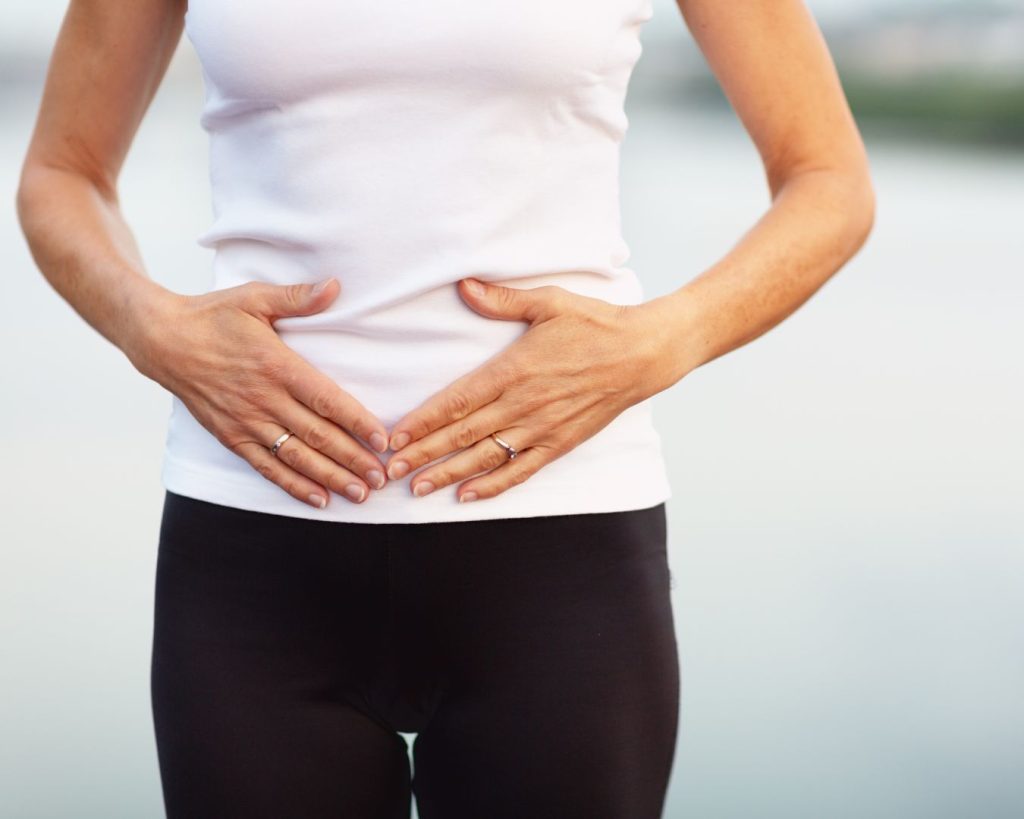
Techniques like belly breathing and diaphragmatic breathing can soothe your nervous system and reduce your body's stress response.
Better breathing also improves circulation. That helps nourish and hydrate your skin, and it can reduce the inflammation that comes with eczema and psoriasis.
Important: a breathing practice can help you step back from the itching and the patches, and feel more comfortable in your own skin. But breathing should never be your only treatment for these conditions. Talk to your doctor about it.
- A natural way to fight acne breakouts:
By now, you know that breathing well oxygenates your nervous system, lowers your stress, and energizes every cell in your body.
When it comes to acne, though, the focus shifts to the quality of the air you breathe.
If the air is polluted, you're not just breathing in oxygen. You're also taking in other molecules that are far less friendly to your health. Those molecules bind to hemoglobin, the protein that carries oxygen through your body and removes carbon dioxide from your organs and tissues.
So the goal is to breathe well, and to breathe the cleanest air you can. A few easy habits help. Air out your home every day. And whenever you can, get outside for fresh air, away from big cities.
“Love is a celestial breathing of the air of paradise.” Victor Hugo

10. Breathing Eases Headaches
Headaches have many causes: stress, tension, fatigue, migraines, alcohol, infections, head injuries, dehydration, poor diet, inflammation, and more. In some cases, breathing can help relieve the symptoms.
Breathing reduces stress and tension, two common factors behind many types of headaches. When you breathe deeply, you get more oxygen into your body. That can help ease the pain.
Try taking long, slow, deep breaths. Breathe in deeply, letting your belly expand. Hold for a few seconds. Then breathe out slowly. Repeat several times until you feel more relaxed.
You can also try other techniques, like belly breathing or alternate nostril breathing. They help regulate the flow of air through your body and can reduce pain and tension in your head.

Important: breathing can help relieve headache symptoms, but it can't be your only treatment. If you get frequent or persistent headaches, see your doctor for a proper diagnosis and treatment.
That's a lot. And still, our list of the ways breathing boosts your health, energy, and well-being isn't complete.
Good breathing habits can also help you:
- manage your emotions, like fear,
- raise your energy, through practices like Qi Gong and yoga,
- sharpen your focus and cognitive function,
- improve how your brain works,
- manage and calm asthma attacks,
- regulate your autonomic nervous system,
- cope with pain…
…and much more. Want to learn more? Explore the topic with Iker Aguirre in episode 47 of our podcast Une Alchimie de l'Éveil (in French).
Did you know? A few surprising facts about breathing:
- At rest, an adult takes about 16 to 20 breaths a minute, each one a full cycle in and out. That's roughly 26,000 breaths a day.
- On a typical day, we use only 10% of our lung capacity.
- If you took all the respiratory structures inside your nose and laid them flat, they would cover a pool table.
- And if you laid out all the tiny air sacs in your lungs, the alveoli that capture oxygen, they would cover a tennis court.
Originally published in French on Konxus Média ↗